Merriam-Webster, one of the United States’ oldest dictionary publishers, has added around 1,400 new words and meanings to its dictionary, reflecting the evolving language of internet culture, technology, food and everyday life.
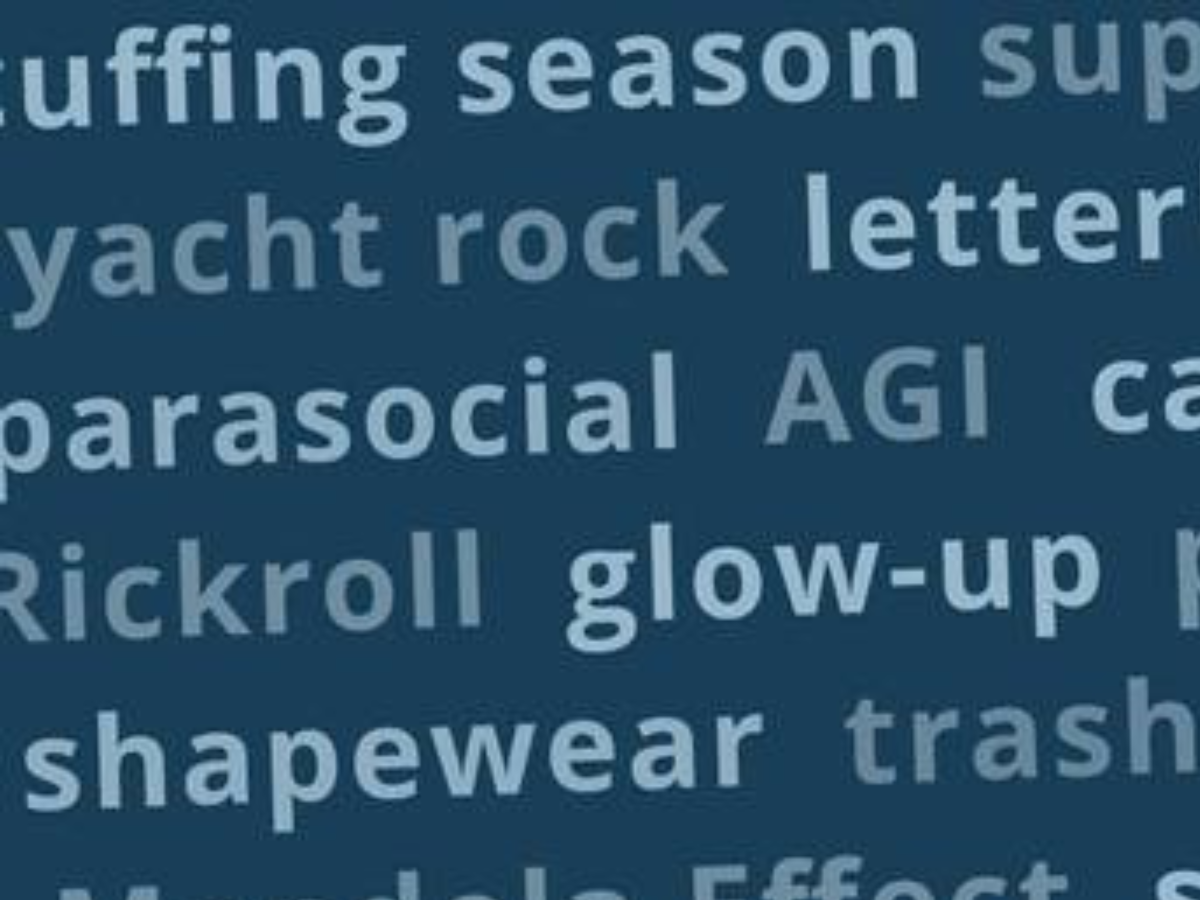
According to the BBC, the latest additions include popular expressions such as “glow-up”, “looksmaxxing”, “meme coin” and “trash panda” — a playful nickname for raccoons, inspired by their tendency to search through rubbish for food.
Merriam-Webster said the new entries were selected because they had demonstrated widespread use over time, describing the additions as a reflection of contemporary society.
The new vocabulary covers a broad range of subjects, with food-related additions including “superfood”, “bao” and “cake pop”. “Chili crisp” has also made the list, referring to a spicy condiment made with oil and fried pieces of ingredients such as peppers, garlic or shallots.
Dating culture gets a seasonal addition with “cuffing season”, a term used to describe the period when single people seek romantic partners to spend the colder months with.
Several of the new entries have their roots in internet and popular culture. “Rickroll” has been added as a verb for the prank in which someone is directed to Rick Astley’s 1987 hit Never Gonna Give You Up.
Meanwhile, “vibe coding” reflects the growing influence of artificial intelligence and describes the use of an AI system to generate computer code.
Other technology and culture-related additions include “parasocial”, referring to a one-sided emotional connection, and “uncanny valley”, which describes the unsettling feeling produced when something artificial looks almost, but not quite, human.
The dictionary has also added “Mandela effect”, a term used when a large number of people share the same false memory.
Some entries are more closely associated with American culture. “California sober”, for example, describes an approach involving the use of marijuana and/or alcohol while avoiding other drugs such as cocaine or methamphetamine.
The latest additions also include “neckbeard”, which can refer literally to facial hair extending beneath the chin and onto the throat, but can also carry a disparaging cultural meaning associated with stereotypes of misogynistic behaviour or computer enthusiasts.
Other new terms include “shapewear”, “Sunday scaries” and “crashout”. The latter can describe a dramatic ending or defeat, as well as an emotional breakdown.
Merriam-Webster is expected to announce its Word of the Year in the coming months.
In 2025, the dictionary selected “slop” as its Word of the Year, following an expansion of the word’s definition to include low-quality digital content produced, usually in large quantities, with the help of artificial intelligence.